

The ultimate guide to the best laminated veneer lumber
Materials are important for constructing strong, good structures. Laminated veneer lumber, also called LVL, is now among the most popular and trusted engineered wood products in the construction industry. It is used in homes, commercial, and large-scale infrastructure applications all over the world. This blog will take you through the basics of LVL, what LVL is and what it isn’t, as well as which LVL to choose to apply in your next project.
What Is Laminated Veneer Lumber?
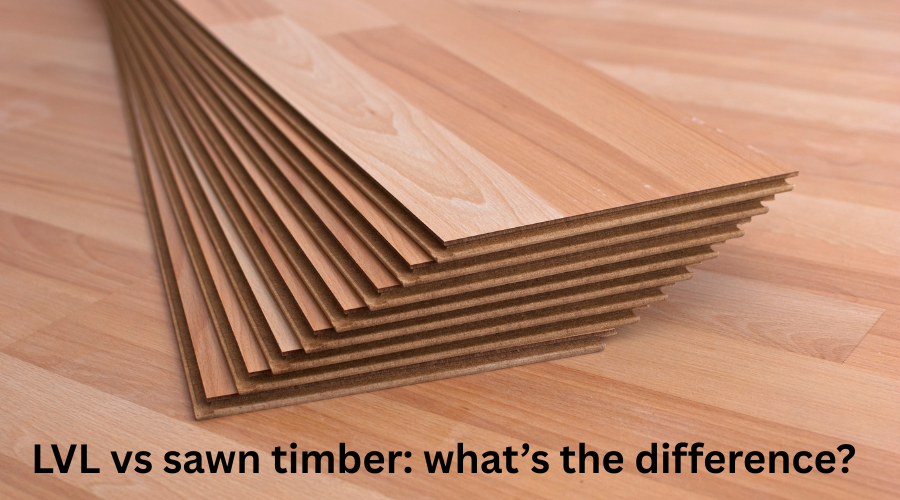
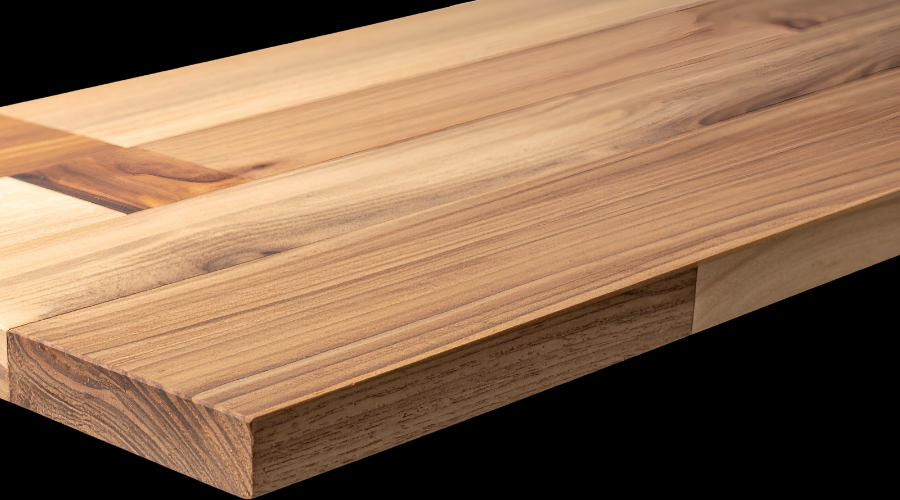
Laminated veneer lumber is a brand of engineered wood product made through the binding of numerous layers of precisely cut wood veneers. All layers are glued in the same direction as the wood grain. This is what makes LVL unlike plywood, where each layer is the opposite of the previous one.
The output is a very strong, straight, and consistent product. Due to its production under controlled conditions, it lacks those natural knots, warps, and even weak points that are common in solid timber. Each piece has a specified standard, which considerably simplifies planning and building.
How Is LVL Made?
The process begins by peeling logs into thin veneer sheets, typically about 3mm thick. These sheets are dried to minimize moisture. They are then lined with a powerful, waterproof, sticky substance and piled together, all moving in the same direction. This stack is then pressed at high pressure and under heat in a big press. This holds all the layers clear together. After cooling, the LVL billet is cut to the desired order, depending on width and length. The resulting product is dense, uniform, and suitable for use in structures.
Why should Builders use LVL instead of Solid Timber?
Solid timber has been used in construction for centuries. Yet there are restrictions with it. The quality of logs differs. Others have knots, fissures, or grain irregularities that weaken them. Searching through timber is increasingly costly to find long, straight, and high-quality timber, as large trees are now rare.
Strength and Consistency
LVL addresses these issues. Since it comprises numerous thin, bonded layers, a weak area in one of the veneers is diffused and neutralized. It ends up being stronger and more predictable than a solid wood of the same size.
Longer Spans
LVL has one of the greatest benefits: it can span longer distances without sagging or bending. This is highly beneficial for open-plan buildings that require fewer supporting columns. LVL helps architects and engineers make spaces broader and more open without reducing robustness.
What are some of the typical applications of LVL?
LVL is a multi-purpose product used across most construction sectors.
It is widely used as beams and headers above doors and windows. These are the regions that require efficient load transfer at the top. LVL would do this job well due to its high load-carrying capacity.
It is also used as floor joists, wall framing build-ups, and roof rafters. LVL is an important structural material in prefabricated houses because it can be produced to an exact size, accelerating the construction process on site.
In addition to residential buildings, LVL is used in bridges, industrial buildings, and temporary buildings. It is powerful by weight, thus it is easy to carry and install even in challenging environments.
How does LVL consider environmentally friendly?
And this is one of the points that is making it popular. The production of LVL involves rich forest, rather than old-growth forest. Almost all parts of the log are used in the manufacturing process; hence, no waste is generated.
LVL has a significantly lower carbon footprint than steel and concrete. During its life, wood naturally accumulates carbon. The increasing use of timber products in construction is seen as a way to reduce the overall environmental impact of the building industry. Various LVL products are accredited by certification bodies that have verified that the timber is sustainably sourced. Associated with buying LVL, it is advisable to look for certifications such as FSC or PEFC to make sure that the wood was produced in well-managed forests.
Available Grades and Sizes
LVL is available in various structural grades that meet various load requirements. The grade is the rigidity and toughness of the item. Where high loads or longer spans are needed, higher grade sizes are used.
Standard Sizes
LVL comes in typical thicknesses, widths, and lengths. The popular thicknesses vary between 35mm and 75mm. This is normally between 200mm and 600mm or even higher. The lengths are up to 13 meters, or, in special order, must go beyond that.
LVL can be produced longer and broader than the majority of solid timber because it does not require cutting out of a single log; it can be made. This is a key benefit of massive construction projects.
Can LVL Be Used in Wet or Exposed Conditions?
This will be based on the type of LVL and the adhesive used in its manufacture. Standard LVL is used in dry interior applications. Its use in wet or exposed conditions without covering may result in moisture absorption, swelling, and weakening over time.
Nevertheless, moisture-resistant and exterior-grade LVL products exist. They are constructed using stronger adhesives and, in certain instances, treated with an additional procedure to prevent corrosion. In cases where your project is exposed to rain or moisture, or when it touches the ground, it is always important to make it clear which grade is expected in that area.
Selection of the Best LVL for your Project
The selection of the appropriate LVL depends on your project needs. Begin by determining the load needs. Discuss with a structural engineer. They can reduce the grade, size, and span for your application.
Check the Certification
Always purchase LVL with a recognized structural certification. This ensures that the product has been tested and meets performance standards. False certification products can resemble but break down when strained.
Select a Trustworthy Supplier
LVL products are not all produced to the same degree. Collaborate with a supplier who will be able to deliver technical data sheets and load tables. The information will assist you in confirming that the product is going to perform satisfactorily in your particular application.
Consider the Finish
In case LVL will be seen in the completed structure, select a product that has a sanded surface. LVL products are sometimes used as an architectural exposure. The rest are structure only and will be concealed by cladding or plasterboard.
Tips for Handling and Installing LVL
LVL is easily cut with regular wood cutters. It can be cut, drilled, and attached like solid timber. There are some things to remember, however.
Store LVL flat and off the ground. Store out of the rain and direct sunlight before installation. However, LVL is dimensionally stable; long-term exposure to moisture before installation can cause problems.
Always use the manufacturer's instructions when notching and drilling LVL. Excessive cutting of a beam can reduce its load-bearing capacity. The majority of manufacturers have clear instructions on where they allow cuts and holes.
Conclusion
LVL is mostly used in construction. The industry is increasingly seeking strong, renewable materials to support sustainable building practices. LVL technology is still undergoing improvement. Products are becoming more durable thanks to new adhesive formulations. More consistent and stronger boards are also being made with improved manufacturing processes. New design requirements are exploring the available sizes and grades.