

Wholesale I Beam: Key Facts, Benefits & Applications
Highlights
-The strength of an I beam is not just steel grade, but also flange and web geometry.
-Most sizes. W-shapes. S-shapes. Affect project compatibility.
-The wholesale price is determined by the order size, length, and grade of steel.
-Engineers determine load capacity, not a guess or estimate.
-Certifications and Mill Test Reports prove what you are purchasing.
I beam is found all over the board in construction applications, from garage floors to mezzanines in warehouses. The form is quite simple—two flanges, a web connecting them, done. But ordering wholesale makes it important to know what truly distinguishes one beam from another, as ordering the wrong one will not only cost you more money. It can weaken a structure.
This guide covers everything you need to know before ordering wholesale, from engineering basics to paperwork best practices for every order.
The I-Shape is so effective for a variety of reasons
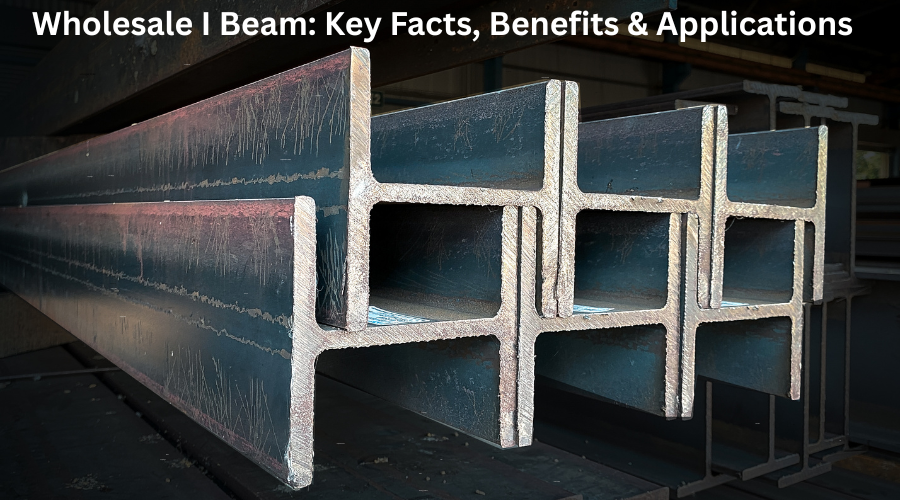
The I beam shape is not random. The material is located mostly in bending stress, forming flanges at the top and bottom. A web joins them and carries the shear force while spacing the flanges apart. The I-beam is there precisely where it's needed, which is why it can carry more weight per pound than a solid rectangular bar. Compare with a solid steel bar of the same weight. The I-shape is much more resistant to bending, sometimes several times, depending on dimensions. I-beams are used in structures instead of other shapes because they are more efficient, while other shapes tend to be heavier and less cost-effective.
Standard Sizing Systems: W-Shapes vs S-Shapes
There are two primary sizing systems dealing with most wholesale orders of I beams in North America. The wide-flange beam is also known as a W-shape and maintains a predominant position in modern buildings. A common size such as W12x26 indicates depth (nominal is 12 inches) and the same weight per foot (26 lbs). The older American beams are called S-shapes and have tapered flange surfaces; these are found primarily in older buildings or on particular replacement projects.
Size is important for compatibility. Using W-shape and S-shape beams in one project without any engineering review may cause connection problems because there is a difference in the geometric shape of the flanges. When ordering in bulk, always check which standards a project specification requires.
Steel Grades and What They Mean for Strength
This depends on the grade, which indicates the yield strength, the point at which steel can be permanently loaded under stress. The widely used ASTM A36 steel has an average yield strength of approximately 36,000 psi. The current wide-flange building beam standard ASTM A992 is set higher, usually 50,000 psi yield strength, which affords more capacity per pound of steel. Higher grade steels cost more per ton, but can provide lighter choices of steel for each load. Run All Numbers Twice Before Ordering! Despite the higher price per ton, a smaller A992 beam can sometimes be the less expensive overall solution for the same structural task as a larger A36 beam.
How Is I Beam Load Capacity Calculated?
The load capacity is related to the thickness of the web, flange width, beam depth, steel grade, and span over which the beam is not supported. This is determined by using values of section modulus and moment of inertia from standard tables, and then by applying safety factors depending on the loading condition.
Length Options and Cutting Tolerances
Machinery is commonly sold in mill lengths of 20, 40, or 60 feet; most wholesale suppliers offer longer sizes for an additional charge. Typical tolerance is ± 1/8 inch for standard orders, with an upcharge being accepted on precision applications that meet tighter tolerances. When asking suppliers about the kerf loss, or material lost in the cutting process, this will impact total usable length for custom orders. A supplier must cut a beam 40 ft into three 13 ft pieces, leaving a 13 ft width of saw blade void at each cross-cut site, and thus does not receive 39 ft of usable wood.
Common Applications Across Industries
I-beams are widely used in commercial construction for framing floors, roof framing and column to beam connections in multi-story structures. They are also used as girders in bridges. Girders used in bridges are often larger than those used in buildings. Some bridges have girders that are over 36 inches deep.
The uses of the industrial type go beyond that. The flange width of crane runway beams is specific to the safe operation of trolley wheels. W8 or W10 shapes are widely used in warehouses for mezzanine platforms because of storage load requirements. I-beam sections are used in the structures of even shipping container modifications and heavy equipment frames.
Why Mill Test Reports Matter
A mill test report or MTR is a document that lists the actual chemical and mechanical properties of a particular heat of steel. Papers are not optional. It's a confirmation that the steel matches the grade requirements on the invoice, and is often required by structural engineers for project signoff. Don’t ask MTR after delivery, ask MTR before delivery.” Check the heat number stamped on the beam against the report. The price may be right but don’t go ahead with the order if the heat numbers don’t match or a supplier can’t get a heat in.
Wholesale Pricing: The reasons behind the price
The price for steel products varies based on the raw material markets and is therefore not guaranteed for long periods of time, in some cases just days. I beam prices are typically quoted by the pound, ranging from $0.60 to $1.20, depending on steel market conditions, grade, and size. There's a significant effect on pricing due to volume. The full truckload often comes in around 20-22 tons, depending on size limitations, and usually offers superior per-pound rates for the truck. Inquire about cost breakdowns of tiers and understand when the discounts are applicable by volume before ordering.
What Certifications Should a Steel Supplier Provide?
Check for an ASTM compliance certificate for grade, a mill test report for each heat number, and, in some instances, AISC certification for the fabricator doing connection work with the beams.
Storage and Handling Before Installation
Beams can be damaged during storage before they even reach a project site. Place I-beams on dunnage, sloping off the ground and giving room for water to run off. Stacking height can also be an important factor, as high stacking heights may distort beams at the base during long-term storage. Use the right lifting devices and equipment for long beams; do not drag them across the floor, creating stress points or removing protective coatings. To avoid excess sag or twist during truck transfers between points, use spreader bars during crane operations for beams longer than 30 feet.
Comparing Suppliers Before a Bulk Order
When ordering a large amount, ask for at least three quotes from suppliers. Compare delivered price, not just the per-lb price per supplier, since freight charges depend on the supplier's location relative to the job site. Sometimes a higher price per pound from a closer supplier is necessarily better than a lower price with high freight charges added. Be honest with a vendor about lead time; not optimistic. Standard sizes available will ship in days. Custom lengths or less common grades may need mill production runs, sometimes resulting in four to eight weeks' time, depending on the demand and mill capacity at that time.
Conclusion
The bottom line in sourcing bulk i beams is matching the grade, size and application coating to a structure. Then checking those matches against real mill documentation, not just the word of a supplier. Negotiate on the price of delivered and verify the certification documents before accepting the goods. Keep lead times reasonable. That foundation helps to keep a project on track and structurally solid.
FAQS
Who is the bulk supplier of I-beam for construction work?
Bulk orders are fulfilled by steel service centers or mill-direct distributors, and in addition to better pricing, bulk orders are frequently available at full truckload quantities.
What is the wholesale price of I-beams per pound?
The wholesale price for each pound is typically between $0.60 and $1.20, depending on the steel market, grade, and size.
What is a custom supplier of I-beams with specific length cutting?
Many steel service centers are available for custom cutting to length, with often closer tolerances at an additional cost.
Who offers bulk I beams with customization at discounted rates?
Volume discounts are typically offered at full truckload quantities and are common with suppliers, commonly 20-22 tons based on beam size.
What's the timeline for custom I beam production and delivery?
Standard sizes are typically available in stock within days. Custom grades or lengths can take four to eight weeks from the mill.